

Sustainable Swimwear Brands for Women: 2026 Guide
Table of Contents
- What Actually Makes Swimwear Sustainable?
- How We Evaluated These Sustainable Swimwear Brands
- Brand Comparison: Ethics, Materials, and Price at a Glance
-
The Best Sustainable Swimwear Brands for Women in 2026
- 1. Dekota Swim, Timeless Fit, Slow Fashion Principles
- 2. Shapes in the Sand, Handmade, ECONYL® Nylon, Environmental Giving
- 3. Peony Swimwear, Luxury Recycled Fabrics, SA8000-Certified Factories
- 4. Zulu & Zephyr, Effortless Prints, Lower-Impact Production
- 5. Salt Gypsy, Performance Surfwear Built for the Ocean
- 6. BONDI BORN, Sculpting Italian Fabrics, Female-Founded
- 7. Tigerlily, Bohemian Style with Sustainable Fibre Commitments
- 8. Seafolly, Accessible Entry Point with Eco Options
- Why Recycled Nylon Swimwear Outperforms Standard Synthetics
- Australian Made Swimwear Brands: What the Label Really Means
- How to Care for Sustainable Swimwear So It Lasts
- Which Sustainable Swimwear Brand Is Right for You?
Last Updated: August 23, 2026
Choosing the right sustainable swimwear brands for women requires cutting through marketing noise to find genuine sustainability. This guide provides a framework for choosing based on your body, budget, and values.
Quick Picks:
- Best Overall: Dekota Swim, timeless design, slow-fashion principles, flattering for every shape
- Best for Certified Ethics: Peony Swimwear, SA8000-certified factories, full recycled fabric range
- Best for Performance Surfwear: Salt Gypsy, built for the ocean, UPF50+ protection
- Best Entry-Level Eco Option: Seafolly, accessible price point with dedicated eco collections
What Actually Makes Swimwear Sustainable?
Sustainable swimwear minimises environmental and social harm across its entire lifecycle, from raw material sourcing through manufacturing, use, and disposal.
Recycled and Regenerated Fabrics
Recycled nylon, sold under the ECONYL® brand name, is produced from post-consumer waste including ghost fishing nets and landfill-bound synthetic fibres, significantly reducing carbon footprint compared to virgin nylon. Recycled polyester from bottles offers another sustainable option, with chlorine-resistant variants maintaining shape and colour through repeated use. The honest caveat: recycled polyester sheds microplastics during washing, though recycled nylon from ECONYL® sheds fewer fibres than standard synthetics.
Ethical Manufacturing and Fair Labour
Ethical manufacturing means fair wages, safe working conditions, and supply chain transparency verified through third-party certifications. SA8000, administered by Social Accountability International's certification body, is the most credible standard, auditing factories against internationally recognised labour rights benchmarks. If a brand cannot name its factories or point to independent audits, treat their ethics claims with scepticism.
Microplastic Shedding: The Hidden Trade-Off
All synthetic swimwear sheds microplastic fibres during washing and ocean use. Research from CSIRO's microplastics research program shows shedding rates vary based on fabric construction, yarn twist, and finishing treatments. Tightly woven fabrics and double-layered construction shed fewer fibres. Washing in cool water with short cycles reduces shedding. While recycled swimwear still offers lifecycle benefits over virgin synthetics, this trade-off is worth understanding before purchase.
How We Evaluated These Sustainable Swimwear Brands
Our evaluation framework scored each brand across four criteria:
| Criteria | What We Assessed |
|---|---|
| Material credentials | Recycled content percentage, fabric certifications, non-toxic dyes |
| Ethical manufacturing | Factory transparency, third-party certifications, fair labour standards |
| Garment longevity | Fabric construction, chlorine resistance, customer durability reports |
| Supply chain transparency | Named factories, public sustainability reports, circular economy programs |
Sustainability claims were cross-checked against publicly available certifications rather than taken at face value.
Brand Comparison: Ethics, Materials, and Price at a Glance
| Brand | Key Fabric | Ethics Certification | Price Range (AUD) | Best For |
|---|---|---|---|---|
| Dekota Swim | Premium polyester (longevity focus) | Slow fashion, plastic-free packaging | Visit website | Timeless fit, everyday wear |
| Peony Swimwear | ECONYL® recycled nylon | SA8000-certified factories | ~$150-$450 per piece | Luxury, certified ethics |
| Shapes in the Sand | ECONYL® recycled nylon | Handmade, ethical local production | From ~$195 | Eco-maximalists, environmental giving |
| BONDI BORN | Italian Sculpteur™ fabric | Female-founded, sustainable sourcing | From ~$170 | Sculpting support, luxury aesthetics |
| Zulu & Zephyr | Lower-impact synthetics | Ethical production commitment | ~$130-$280 | Prints, resort style |
| Salt Gypsy | Performance fabrics | Made in Australia | From ~$99 | Surfers, UPF50+ coverage |
| Tigerlily | Up to 50% sustainable fibres | Non-toxic dye process | From ~$89 | Bohemian style, accessible ethics |
| Seafolly | Eco collection fabrics | Dedicated sustainable range | From ~$60 | Budget entry point, wide sizing |
The Best Sustainable Swimwear Brands for Women in 2026

1. Dekota Swim, Timeless Fit, Slow Fashion Principles
Dekota Swim prioritises slow fashion with smaller production runs and durable fabrics engineered for longevity. The double-layered polyester construction resists fading and stretching, the two most common complaints from women who burn through fast-fashion swimwear in a single season. Customers consistently report that suits fit well and hold their shape through an entire summer.
Dekota Swim uses plastic-free packaging and operates on intentional production volumes to minimise waste. The limitation: Dekota Swim currently uses virgin polyester rather than recycled content, though the brand is working toward recycled fabrics.
Best for: Women who prioritise fit, durability, and timeless design over trend cycles.
Pros: Flattering for every shape, durable construction, plastic-free packaging Cons: Currently virgin polyester, not recycled fabric
2. Shapes in the Sand, Handmade, ECONYL® Nylon, Environmental Giving
For eco-maximalists, Shapes in the Sand offers the most credible option. Every piece is handmade from ECONYL® regenerated nylon sourced from ghost fishing nets and landfill waste by a small family-run business with full production transparency. Each collection aligns with a specific local environmental project, with a portion of sales donated directly.
Best for: Environmentally committed buyers who want full supply chain transparency and direct environmental impact.
Pros: ECONYL® from ghost nets, ethical local production, environmental donations per collection Cons: Niche aesthetic, limited style range
3. Peony Swimwear, Luxury Recycled Fabrics, SA8000-Certified Factories
Peony Swimwear combines luxury aesthetics with rigorous ethical certification. All fabrics are made from recycled content, including ECONYL® regenerated nylon, and factories hold SA8000 certification, the most credible independent labour standard in the garment industry. Chlorine-resistant fabrics designed to retain shape after repeated use make Peony ideal for regular swimmers.
Best for: Women who want luxury aesthetics with verified ethical manufacturing and full recycled fabric credentials.
Pros: SA8000-certified, ECONYL® fabrics, chlorine-resistant, flattering fuller-bust fits Cons: Higher price point; investment pieces rather than everyday basics
4. Zulu & Zephyr, Effortless Prints, Lower-Impact Production
Zulu & Zephyr built its reputation on exclusive prints and effortless resort silhouettes with growing sustainability commitments. The brand prioritises lower-impact production and ethical practices across its supply chain. For fashion-conscious buyers wanting stylish swimwear from a brand with genuine ethical intent, it delivers without the luxury price tag.
Best for: Resort-style dressers who want unique prints and ethical production without luxury pricing.
Pros: Exclusive prints, versatile designs, ethical production commitment Cons: Less specific about material credentials than top-tier eco brands
5. Salt Gypsy, Performance Surfwear Built for the Ocean
Salt Gypsy solves a specific problem: most sustainable swimwear falls apart in the surf. This brand designs for women who actually use their swimwear in the water, with UPF50+ protection and genuine durability. Many pieces are made in Australia, reducing transport-related carbon footprint.
Best for: Surfers and active ocean swimmers who need performance and UV protection in a sustainable package.
Pros: Genuine performance construction, UPF50+ protection, made in Australia Cons: More activewear than fashion-forward swimwear
6. BONDI BORN, Sculpting Italian Fabrics, Female-Founded
BONDI BORN uses technically advanced Italian fabrics, Sculpteur™ and Embodee™, that offer genuine sculpting and support. The brand is majority female-owned and run, informing its design approach with real body diversity in mind. The aesthetic is contemporary and elegant, timeless rather than trend-driven.
Best for: Women seeking high-end sculpting support with sophisticated, season-neutral designs.
Pros: Advanced sculpting fabrics, female-founded, sustainable sourcing, timeless aesthetics Cons: Premium price point
7. Tigerlily, Bohemian Style with Sustainable Fibre Commitments
Tigerlily's sustainability story is partial but genuine. Up to 50% of each piece incorporates sustainable fibres, and the brand actively avoids toxic chemicals in manufacturing. The bohemian-chic aesthetic with bespoke hardware and eye-catching prints gives it a distinct identity.
Best for: Women who love bohemian prints and want sustainable fibre commitments without luxury prices.
Pros: Sustainable fibres, non-toxic dye process, flattering shapes Cons: Not 100% recycled materials; sustainability credentials are partial
8. Seafolly, Accessible Entry Point with Eco Options
Seafolly is the most accessible brand by price, with a dedicated sustainable collection providing an entry point without luxury commitment. The range covers bikinis, one-pieces, tankinis, and cover-ups across extensive sizing. Buyers need to filter specifically for the sustainable collection rather than assuming the entire range qualifies.
Best for: Budget-conscious buyers exploring sustainable swimwear for the first time, or women needing wide size and style selection.
Pros: Accessible pricing, extensive size range, dedicated eco collection Cons: Eco options require active filtering; not all products are sustainably produced
Why Recycled Nylon Swimwear Outperforms Standard Synthetics
Recycled nylon outperforms virgin synthetic alternatives on three dimensions: environmental footprint, fabric performance, and garment longevity. ECONYL® regenerated nylon from ghost fishing nets consumes significantly less energy than virgin nylon production. Performance-wise, recycled nylon retains four-way stretch, moisture-wicking, and chlorine-resistant properties ideal for swimwear. Independent testing by Textile Exchange's preferred fibre and materials report shows regenerated nylon performs comparably to virgin nylon across durability metrics.
The longevity advantage is most underappreciated: recycled nylon fabrics resist pilling and shape loss better than standard synthetics at similar price points. A swimsuit lasting three seasons instead of one is genuinely more sustainable than a cheaper suit replaced annually. Using a microplastic-catching laundry bag and washing on cold short cycles minimises shedding without compromising fabric integrity.
Australian Made Swimwear Brands: What the Label Really Means
"Australian made" is governed by Australian Made Campaign's certification standards, requiring substantial transformation in Australia and Australian inputs comprising at least 50% of total production cost. This means the garment was cut and sewn locally, supporting domestic jobs, reducing international shipping emissions, and typically allowing greater quality control oversight. Most performance fabrics are manufactured in Italy or Japan.
Salt Gypsy and Shapes in the Sand both produce locally, adding genuine supply chain transparency. Knowing where your swimwear was made indicates quality oversight and fair labour standards.
How to Care for Sustainable Swimwear So It Lasts
Proper care is the single most effective sustainability action a swimwear buyer can take. A well-maintained suit lasting four seasons has lower lifetime environmental impact than a "more sustainable" suit replaced annually through neglect.
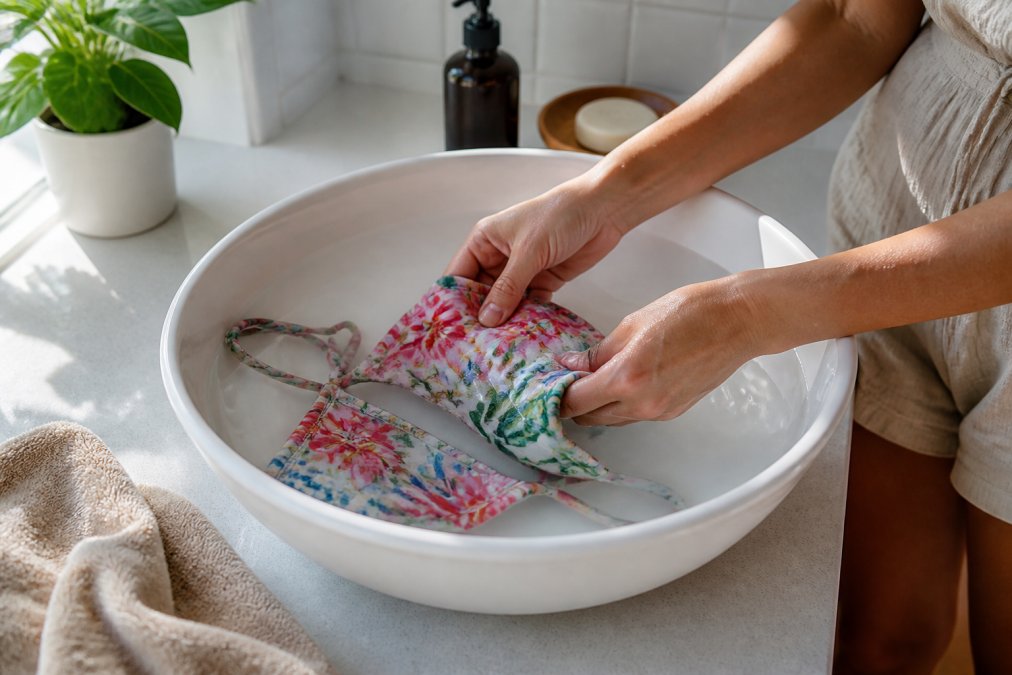
The fundamentals are straightforward:
- Rinse immediately after use in cool, clean water to remove salt, chlorine, and sunscreen
- Hand wash in cool water with gentle, pH-neutral detergent; machine washing accelerates fibre breakdown
- Never wring or twist the fabric; press water out gently and lay flat to dry in shade
- Rotate between two suits during heavy-use periods; elastic fibres need 24 hours to recover
- Avoid sitting on rough surfaces in swimwear; abrasion degrades fabric faster than washing
Chlorine-resistant fabrics tolerate pool use better than standard synthetics but benefit from the same care routine.
Which Sustainable Swimwear Brand Is Right for You?
The right choice depends on what you actually value most.
| Your Priority | Best Brand | Why |
|---|---|---|
| Best overall fit and durability | Dekota Swim | Slow fashion, flattering for every shape, durable construction |
| Certified ethical manufacturing | Peony Swimwear | SA8000-certified, full recycled fabric range |
| Maximum eco credentials | Shapes in the Sand | ECONYL® from ghost nets, environmental giving model |
| Performance and sun protection | Salt Gypsy | UPF50+, built for active ocean use |
| Luxury sculpting support | BONDI BORN | Italian Sculpteur™ fabrics, female-founded |
| Bohemian style, accessible ethics | Tigerlily | Sustainable fibres, non-toxic dyes |
| Budget entry point | Seafolly | Accessible pricing, eco collection available |
| Prints and resort aesthetics | Zulu & Zephyr | Exclusive prints, ethical production commitment |
The most common mistake is choosing based on the sustainability credential that sounds best in marketing rather than the one aligning with actual usage. A surfer needs UPF50+ and durability. A resort traveller needs versatile silhouettes that pack well. Garment longevity is itself a sustainability credential: a swimsuit you wear confidently season after season because it fits and holds its shape is more sustainable than one replaced annually, regardless of recycled content.
=== FAQ ANSWERS (audit these too, same rules) ===
[1] Q: What makes swimwear truly sustainable? A: Sustainable swimwear brands for women typically combine at least three elements: fabrics made from recycled or regenerated materials (such as ECONYL® recycled nylon or regenerated plastic bottles), ethical manufacturing with fair labour conditions and third-party certifications, and packaging that is plastic-free or biodegradable. Garment longevity matters too, a well-made piece worn for three or four seasons has a far lower carbon footprint than a cheaper suit replaced every year.
[2] Q: Which Australian swimwear brands use recycled materials? A: Several Australian-based brands use recycled nylon swimwear fabrics. Shapes in the Sand and Peony Swimwear both use ECONYL® regenerated nylon, which is made from ghost fishing nets and landfill waste. Tigerlily incorporates sustainable fibres into up to 50% of each piece. When assessing any brand, look for named fabric certifications rather than vague eco-friendly claims, as these provide verifiable supply chain transparency.
[3] Q: Are there affordable sustainable swimwear options? A: Sustainable swimwear does cost more upfront than fast-fashion alternatives because ethical manufacturing, recycled fabrics, and smaller production runs all carry real costs. Seafolly offers an accessible entry point with some eco-friendly options. Dekota Swim positions itself with durable, double-layered fabrics designed to resist fading and stretching across multiple seasons, meaning the cost-per-wear is lower than it first appears. Check each brand's website for current pricing.
[4] Q: How do I identify greenwashing in swimwear brands? A: Greenwashing is common in fashion. Red flags include vague terms like 'eco-conscious' without fabric certifications, no mention of where garments are made, and no third-party audits of labour conditions. Trustworthy sustainable swimwear brands name their fabric suppliers, hold certifications such as SA8000 for ethical manufacturing, and publish supply chain information. Brands that use recycled nylon swimwear from named regenerated sources, and explain how much of each garment uses that material, are far more credible.
[5] Q: What are the benefits of UPF50+ swimwear? A: UPF50+ fabric blocks over 98% of UV radiation, significantly reducing sun exposure during extended beach or ocean sessions. For active women spending long hours in the water, this matters more than sunscreen alone, water reflects UV and washes off SPF products. Many sustainable swimwear brands now incorporate UPF50+ protection into their designs, particularly surfwear styles, combining UV protection with moisture-wicking and four-way stretch fabrics built for movement.
Frequently Asked Questions
Q: What makes swimwear truly sustainable?
A: Sustainable swimwear brands for women typically combine at least three elements: fabrics made from recycled or regenerated materials (such as ECONYL® recycled nylon or regenerated plastic bottles), ethical manufacturing with fair labour conditions and third-party certifications, and packaging that is plastic-free or biodegradable. Garment longevity matters too, a well-made piece worn for three or four seasons has a far lower carbon footprint than a cheaper suit replaced every year.
Q: Which Australian swimwear brands use recycled materials?
A: Several Australian-based brands use recycled nylon swimwear fabrics. Shapes in the Sand and Peony Swimwear both use ECONYL® regenerated nylon, which is made from ghost fishing nets and landfill waste. Tigerlily incorporates sustainable fibres into up to 50% of each piece. When assessing any brand, look for named fabric certifications rather than vague eco-friendly claims, as these provide verifiable supply chain transparency.
Q: Are there affordable sustainable swimwear options?
A: Sustainable swimwear does cost more upfront than fast-fashion alternatives because ethical manufacturing, recycled fabrics, and smaller production runs all carry real costs. Seafolly offers an accessible entry point with some eco-friendly options. Dekota Swim positions itself with durable, double-layered fabrics designed to resist fading and stretching across multiple seasons, meaning the cost-per-wear is lower than it first appears. Check each brand's website for current pricing.
Q: How do I identify greenwashing in swimwear brands?
A: Greenwashing is common in fashion. Red flags include vague terms like 'eco-conscious' without fabric certifications, no mention of where garments are made, and no third-party audits of labour conditions. Trustworthy sustainable swimwear brands name their fabric suppliers, hold certifications such as SA8000 for ethical manufacturing, and publish supply chain information. Brands that use recycled nylon swimwear from named regenerated sources, and explain how much of each garment uses that material, are far more credible.
Q: What are the benefits of UPF50+ swimwear?
A: UPF50+ fabric blocks over 98% of UV radiation, significantly reducing sun exposure during extended beach or ocean sessions. For active women spending long hours in the water, this matters more than sunscreen alone, water reflects UV and washes off SPF products. Many sustainable swimwear brands now incorporate UPF50+ protection into their designs, particularly surfwear styles, combining UV protection with moisture-wicking and four-way stretch fabrics built for movement.
Choosing between sustainable swimwear brands for women comes down to matching your values with a brand that can actually back its claims. Dekota Swim stands out for women who want flattering, durable swimwear built on slow-fashion principles, with plastic-free packaging and designs that hold their shape through a full summer of wear. Shop All styles at Dekota Swim and find the piece that fits your body and your values.
This article was written using GrandRanker