


Best Swimwear for Active Women
Table of Contents
- What to Look for in Active Swimwear
- Chlorine Resistant Swimwear That Lasts
- How to Care for Performance Swimwear
- Sustainable Swimwear for Ocean Swimming
- Frequently Asked Questions
Last Updated: August 28, 2026
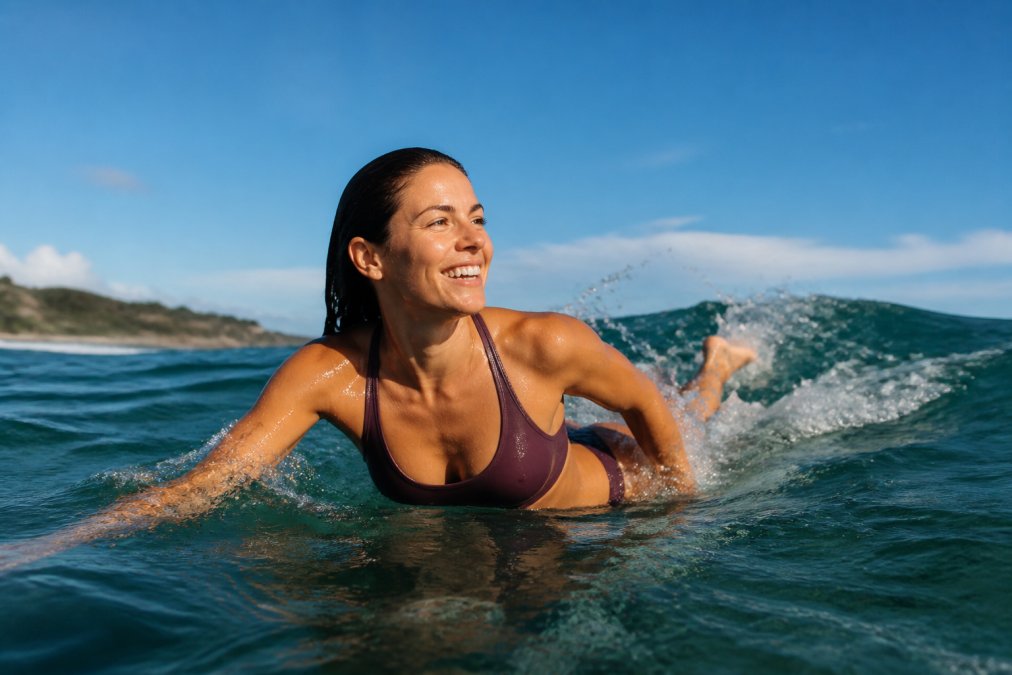
Finding the right swimwear for active women requires understanding what separates a suit that holds up during lap swimming from one that falls apart after two months of regular use. The best swimwear combines chlorine-resistant fabric, compression lining for support, and reinforced stitching. At Dekota Swim, we've designed pieces specifically for women who live in the water, whether that's ocean swims, surfing sessions, or paddleboarding weekends.
This guide covers what matters when choosing performance swimwear, how to care for pieces so they last, and why sustainable options don't mean sacrificing durability.
| Feature | Why It Matters | What to Look For |
|---|---|---|
| Chlorine-resistant fabric | Extends lifespan in pool environments | Nylon-based blends rated for chlorine exposure |
| Four-way stretch | Allows unrestricted movement during active water sports | Fabric that recovers to original shape after stretching |
| Compression lining | Provides support and minimises movement during swimming | Reinforced panels in bust and torso areas |
| UPF 50+ protection | Shields skin during extended water exposure | UV-blocking technology built into fabric |
| Flatlock seams | Prevents chafing and irritation during prolonged wear | Flat, smooth seam construction throughout |
What to Look for in Active Swimwear
The most common mistake active swimmers make is buying based on aesthetics alone, then discovering their suit loses shape after a few weeks. Performance swimwear differs from fashion pieces in how fabric behaves under stress, chlorine exposure, salt water, and UV damage.
Look for four-way stretch fabric that recovers to its original shape. Compression lining in the bust and torso keeps everything in place during high-impact activities. Stitching should be flatlock seams, which sit flat against your skin rather than raised, preventing chafing during long water sessions. Adjustable straps and drawstring waists won't slip when moving through water. A racerback configuration distributes weight evenly across your shoulders, reducing strain during freestyle swimming (peer-reviewed research). Full coverage options work better for extended outdoor sessions by reducing skin exposed to UV damage.
Chlorine Resistant Swimwear That Lasts
Chlorine breaks down standard swimwear fibres, causing fading, stretching, and colour loss within weeks (peer-reviewed research).
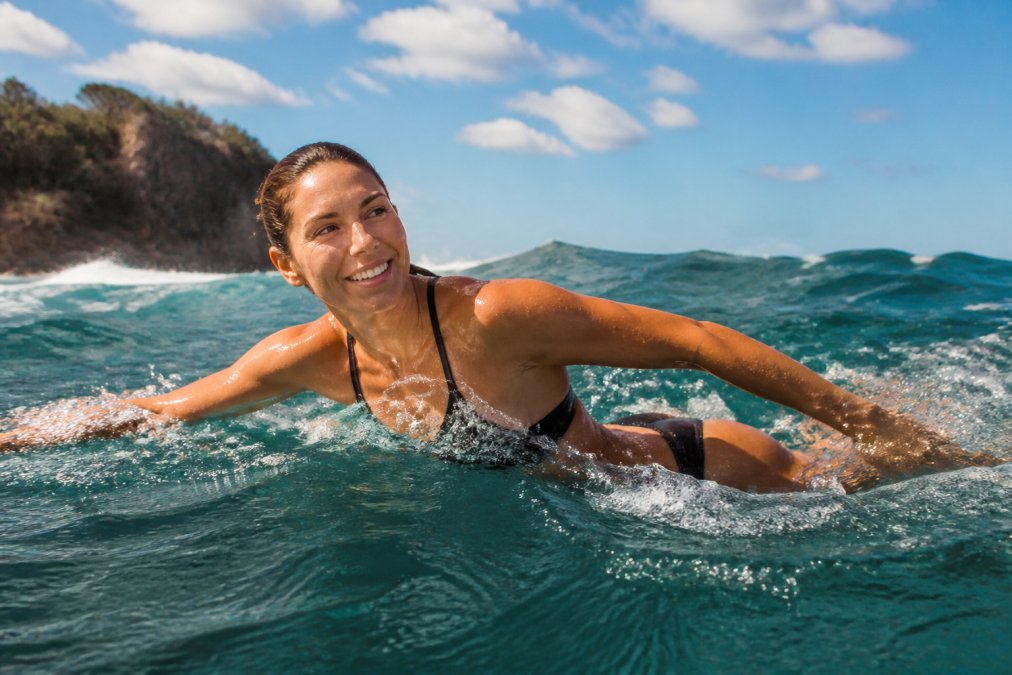
Chlorine-resistant fabrics use nylon-based blends that withstand repeated pool exposure without degrading as quickly. For swimmers who log serious pool hours, chlorine-resistant construction is essential.
How to Care for Performance Swimwear
Most swimmers ruin their suits through careless washing. Chlorine and salt water bond to fabric fibres; if you don't rinse immediately after swimming, they harden and break down the material.
Rinse in fresh water within 15 minutes of leaving the pool or ocean. Use cool water, never hot. Gently squeeze out excess water without wringing. Lay flat to dry, never in direct sunlight. Wash by hand in cool water with mild detergent every 3-4 wears, and skip the dryer completely. Store in a cool, dry place away from direct sunlight. Proper care extends the lifespan from 6 months to 18+ months (refer to general care labelling guidelines for clothing).
Sustainable Swimwear for Ocean Swimming
Eco-conscious swimmers face tension between performance fabrics and sustainability. Dekota Swim resolves this by using sustainable materials that don't compromise durability or performance.
Our pieces use recycled nylon blends that perform identically to virgin materials but reduce manufacturing waste. The ethical production process means less water consumption and lower carbon output. For ocean swimmers, choosing sustainable options matters, you're spending time in the ecosystem you're trying to protect.
Sustainable doesn't mean fragile. Look for the same performance markers: four-way stretch, compression lining, reinforced stitching, and fade-resistant technology. The Calliope Bikini - Black at $120.00 delivers chlorine resistance and sustainable construction without compromising support. Quality sustainable swimwear costs more upfront because ethical manufacturing carries real expenses, but a suit lasting 18 months costs less per month than replacing cheap suits every 3 months.

Frequently Asked Questions
Q: What features should I look for in active swimwear?
A: Active swimwear for women needs four-way stretch fabric, compression lining for support, and flatlock seams to prevent chafing during movement. Look for racerback or adjustable straps that stay in place, and reinforced stitching at stress points. UPF 50+ protection shields your skin during extended time in water, while chlorine-resistant fabrics maintain their shape and colour after regular swimming. High-impact support through bust construction ensures comfort whether you're lap swimming or paddleboarding.
Q: How do I know if sustainable swimwear is durable enough for frequent ocean swimming?
A: Quality sustainable fabrics are engineered for performance, not just environmental impact. Look for materials made from recycled nylon or other technical fibres designed to resist chlorine, salt water, and UV damage. Brands that test their swimwear for fade resistance and shape retention demonstrate durability. Customer reviews mentioning longevity after months of regular use are a reliable indicator. Proper care, rinsing after each swim and air-drying, extends the life of sustainable swimwear significantly, making it a lasting investment.
Q: What makes performance swimwear different from regular fashion swimwear?
A: Performance swimwear prioritises function over aesthetics alone. It features hydrodynamic design, body-positive fit that flatters active bodies, and engineering that supports high-impact water sports. Fashion swimwear typically uses standard fabrics without compression or reinforced support, while performance options incorporate ergonomic construction, stay-put design elements, and materials that resist degradation from chlorine or salt water. Active swimwear also focuses on shape retention, ensuring the suit maintains its fit and support after repeated use, unlike fast-fashion alternatives that stretch out quickly.
Choosing swimwear built for active lifestyles means prioritising durability, support, and materials that withstand the demands of regular water use. Dekota Swim's collection combines chlorine-resistant fabrics, compression lining for high-impact support, and sustainable construction, delivering the confidence and performance active women deserve. Shop our collection and experience swimwear designed for women who actually live in the water.
This article was written using GrandRanker